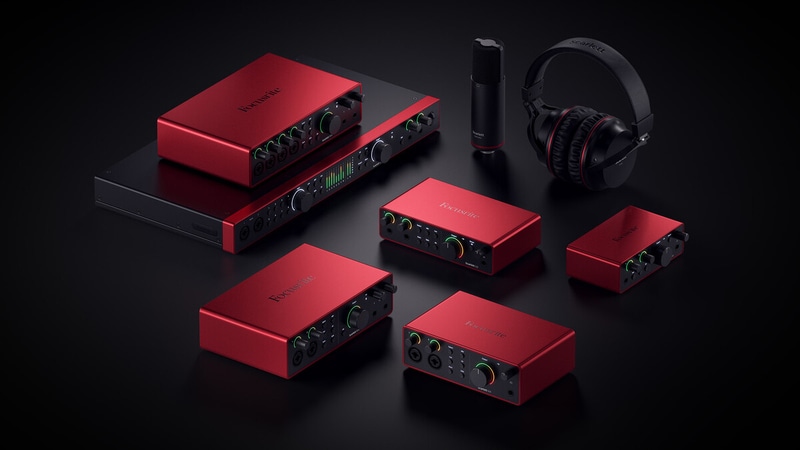
Focusrite's fourth-generation Scarlett audio interfaces, when paired with the accompanying Focusrite Control 2 software, represent a significant evolution in home and project studio recording. This ecosystem stands out by combining professional-grade audio quality with thoughtful user-centric features.
Focusrite's fourth-generation Scarlett audio interface boasts studio-quality connectivity options, including Hi-Z inputs for guitars, line inputs for synthesizers and outboard gear. Digital connectivity is made possible via ADAT, S/PDIF, and MIDI. At the heart of these interfaces are flagship 192kHz, 24-bit converters derived from Focusrite's high-end RedNet series. This delivers a substantial 122 decibels of dynamic range that the company claims captures the full nuance of a performance — from the softest whispers to the loudest peaks, without introducing unwanted noise or compromising headroom.
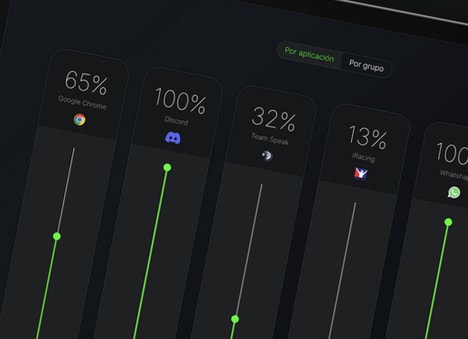
The Focusrite Control 2 application extends the functionality further, offering desktop and mobile versions for iOS and Android that allow wireless adjustment of input levels and monitor mixes.
Image Credit: Focusrite
Why This Trend Is Growing
- App-controlled Studio Hardware
- Mobile and desktop control layers are turning recording interfaces into flexible ecosystems where creators can manage gain, routing, and monitor mixes without remaining tethered to a workstation.
- Pro-grade Home Recording
- High-resolution converters and expanded connectivity are narrowing the gap between commercial studios and home setups, creating room for premium tools designed for independent musicians, podcasters, and producers.
- Wireless Workflow Management
- Remote adjustment of recording settings introduces more collaborative and ergonomic production environments, especially for solo creators managing performances from outside the control position.
Industries Being Reshaped
- Music Production
- Accessible studio-quality interfaces are reshaping music creation by giving independent artists and small studios capabilities once associated with higher-cost professional facilities.
- Creator Technology
- Integrated hardware-software recording systems fit the expanding needs of content creators who require reliable audio capture, simplified controls, and cross-device flexibility.
- Consumer Electronics
- Advanced audio interfaces with mobile connectivity signal a shift toward specialized prosumer devices that combine professional performance with intuitive everyday usability.