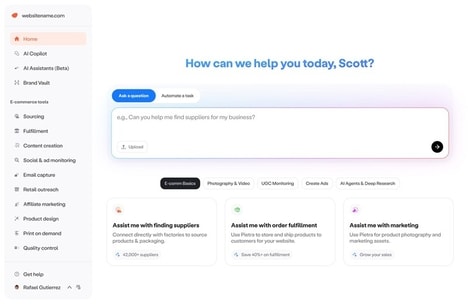

Plato, a Berlin startup, launched an embedded AI sales suite designed for wholesale distributors, featuring generative models that connect directly to legacy ERPs to automate sales workflows. The company introduced the product after raising $14.5 million in seed funding led by Atomico, aiming to replace manual quoting and spreadsheet-based processes with data-driven actions.
The platform turns historical transaction records into automated signals, generating quotes, flagging revenue opportunities and surfacing risk before it appears in reports. Plato integrates with existing ERP systems rather than adding a separate dashboard and plans to expand into procurement and customer service automation as it enters new European markets and the U.S.
For distributors, the suite reduces repetitive work and speeds decision-making by embedding intelligence inside operational systems, not atop them. By focusing AI on under-automated industrial workflows, Plato exemplifies a trend of applying generative models to core business infrastructure where efficiency gains translate directly to revenue.
Image Credit: platoapp
Key Themes Behind This Trend
- Embedded AI in ERP
- Embedding AI models inside legacy ERPs enables contextual, real-time decision signals that bypass separate analytics layers and transform transactional systems into proactive operational engines.
- Generative Models for Operational Workflows
- Generative AI applied to repetitive industrial workflows can synthesize historical records into predictive outputs like quotes and risk flags, shifting value from manual labor to model-driven process intelligence.
- Data-driven Quote Automation
- Automating pricing and quoting through analysis of past transactions creates continuous revenue optimization opportunities by turning spreadsheets into live, data-backed commercial signals.
Where This Applies
- Wholesale Distribution
- Distributors stand to see labor cost reductions and faster deal cycles as AI converts order histories and ERP data into prioritized opportunities and automated customer-facing outputs.
- ERP Software Vendors
- ERP providers could be reshaped as platforms for embedded intelligence where value is derived from integrated predictive features rather than solely from transactional recordkeeping.
- Procurement and Customer Service Automation
- Procurement and customer service functions may evolve into anticipatory systems that surface supplier risks, reorder needs, and support responses before they manifest in downstream problems.