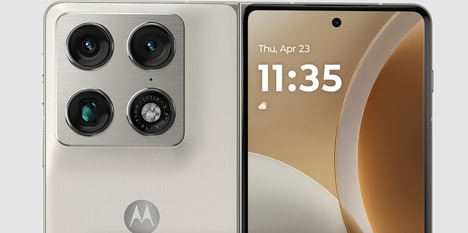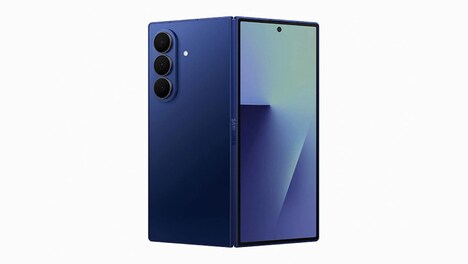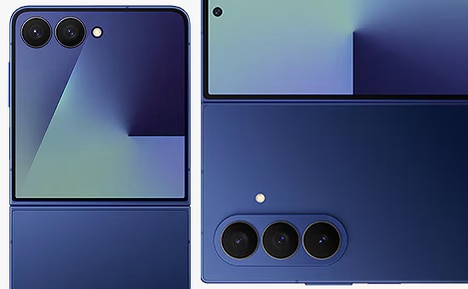

Ai+ introduced the Nova Flip at its April 2026 India launch, presenting a foldable clamshell phone featuring a 6.9-inch AMOLED inner display and a 3.1-inch cover AMOLED screen designed to deliver a flip experience at a low price. The device shipped with a MediaTek Dimensity 7300 chipset, 8GB of LPDDR4X RAM, 256GB storage and a 50MP main camera, with 5G, NFC and IP64 splash resistance included.
Hardware choices emphasized cost-efficiency: a 4,325mAh battery with 33W wired charging, a side-mounted fingerprint sensor and dual-SIM support. Ai+ positioned the Nova Flip alongside the Nova 2 series and a tablet, and offered Glacier White as the initial colorway for May 2026 availability.
For consumers, the Nova Flip matters because it shifts foldables from luxury experiments toward mainstream affordability, providing durable-seeming specs at a fraction of typical prices. If hinge longevity, crease resistance and software polish prove sufficient, the phone could accelerate foldable adoption in price-sensitive markets.
Image Credit: Ai+
Key Themes Behind This Trend
- Affordable Foldable Phones
- Lower-cost clamshell designs are reducing the price premium of foldables, enabling mass-market device form factors previously limited to premium segments.
- Cost-efficient Hardware Design
- Trade-offs like midrange chipsets, modest battery specs and simplified sensors are creating new pathways for folding devices to hit aggressive price points while retaining perceived durability.
- Foldable Software Polish
- Improved UX and hinge-aware software behaviors are becoming critical differentiators in consumer acceptance as hardware costs shrink.
Where This Applies
- Smartphone Manufacturing
- Producers that optimize assembly, hinge sourcing and parts integration stand to transform production economics for foldable devices.
- Component Suppliers
- Suppliers of flexible displays, hinge mechanisms and compact batteries face opportunities to scale lower-cost, higher-durability components for mainstream adoption.
- Telecommunications Operators
- Carriers in price-sensitive markets could see handset-driven demand shifts that alter subsidy models and 5G device penetration strategies.