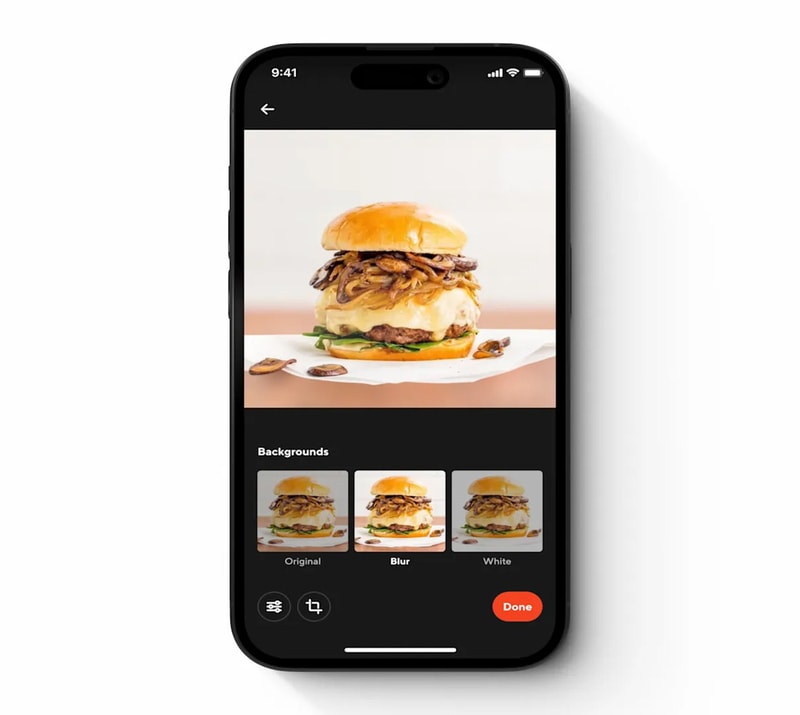
DoorDash’s AI menu optimization tools introduce a smarter approach to menu creation by automating tasks like writing item descriptions and enhancing food photography. By integrating features such as real-time image optimization and instant content generation, the platform allows merchants to present their offerings more professionally without requiring advanced skills or extra resources. This shift streamlines how restaurants manage their digital storefronts while maintaining the authenticity of their food.
These tools are set to impact a wide range of restaurant operators, from small independent businesses to large chains, by reducing time spent on manual content creation. Merchants can improve how their menus appear to customers, which may lead to increased engagement and higher order volumes. As platforms embed more AI-driven features, competition may shift toward delivering more seamless and visually engaging ordering experiences.
Image Credit: DoorDash
Key Themes Behind This Trend
- AI-generated Menu Copy
- Automatically generated, context-aware item descriptions that tailor tone and length to customer segments, opening potential for personalized ordering experiences.
- Real-time Image Optimization
- On-the-fly enhancement of food photos that standardize lighting and composition across menus, improving perceived quality and conversion.
- Platform-embedded Content Tools
- Integrated authoring and imaging features within delivery platforms that lower creative-asset barriers for merchants, shifting competitive focus to UI-driven discovery.
Where This Applies
- Quick-service Restaurants
- Smaller operational teams benefit from automated content workflows that reduce dependency on marketing staff, altering cost structures for digital merchandising.
- Food Photography Services
- Traditional food-photo studios face commoditization as algorithmic enhancement reduces demand for basic shoots, concentrating value on premium, creative collaborations.
- Food Delivery Platforms
- Delivery marketplaces become productized storefront providers where content capabilities become differentiators in marketplace competition.