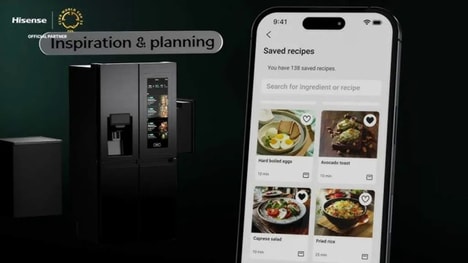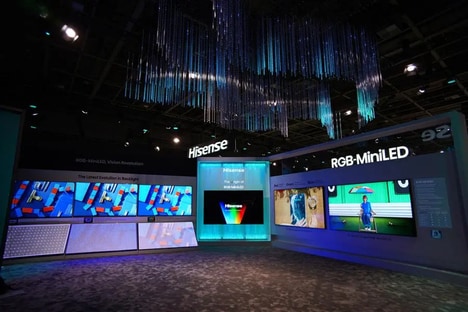
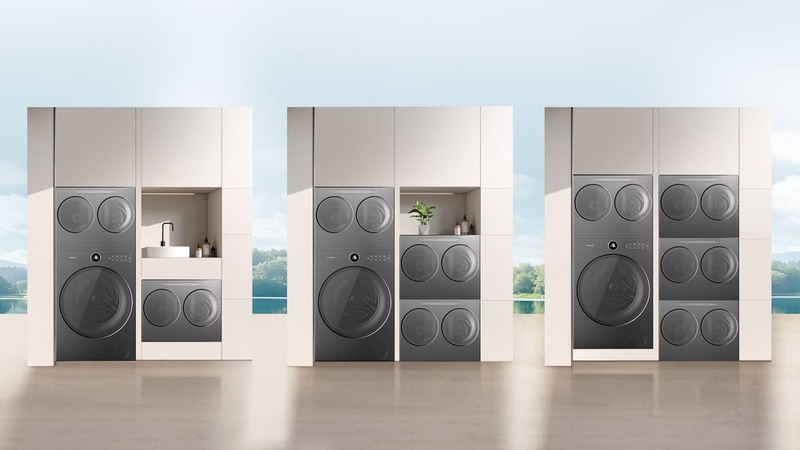
Hisense introduced the AI Agent Suite, a linked ecosystem of kitchen and laundry appliances built around its ConnectLife platform, featuring cross-device coordination and embedded AI personalization. The suite includes an Intelligent Refrigerator, smart oven, dishwasher, washer and dryer designed to operate as a unified system with a central TFT ConnectLife Hub display.
The platform enables remote monitoring, AI voice control and features like Dish Designer, AI Food Management and AI Cooking Agent that generate recipes, set oven programs and track food inventory. Appliances also offer multi-zone cooling, advanced freshness preservation, AI Super Clean cycles and energy-optimizing laundry routines.
For consumers this means less device juggling and more reliable background performance: chores become coordinated, gatherings stay uninterrupted and long-term energy and waste reductions are easier to manage. The suite signals a shift toward human-centered, appliance-level ecosystems that prioritize convenience and connection.
Image Credit: HiSense
What's Driving This Trend
- Unified Appliance Ecosystems
- A linked suite of kitchen and laundry devices creates opportunities for platform-level services and coordinated device behaviors that shift value from individual products to interoperable systems.
- Embedded AI Personalization
- Appliance-embedded AI that learns user habits and food inventories enables highly tailored cooking and laundry experiences, predictive maintenance models, and new subscription-style feature tiers.
- Cross-device Energy Optimization
- Coordinated scheduling and multi-zone controls across appliances open possibilities for household-level energy management and integration with grid demand-response programs that reduce consumption and waste.
Who This Affects Most
- Home Appliance Manufacturing
- Manufacturers face a transition to software-defined hardware and ongoing service revenue streams as appliances become connected, updatable platforms rather than single-sale goods.
- Smart Home Platforms
- Centralized hubs and ecosystems evolve into operating layers that mediate device interoperability, data exchange, and third-party integrations, creating new platform-monopoly risks and monetization channels.
- Food and Grocery Retail
- Real-time appliance inventory and spoilage data enable tighter supply-chain synchronization, personalized replenishment offerings, and reduced food waste through targeted promotions and logistics.