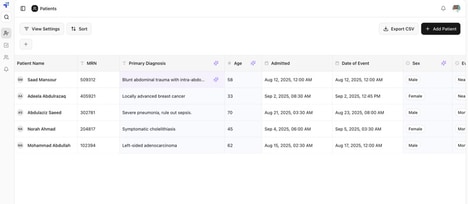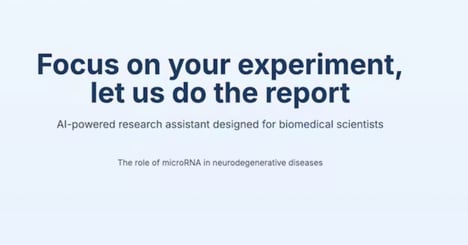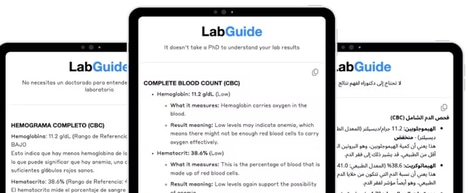
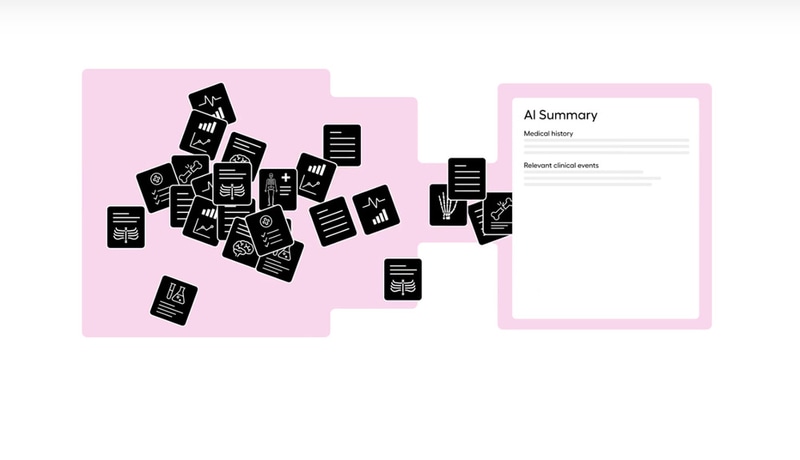
Abstractive Health operates within the clinical AI and healthcare informatics space, focusing on transforming complex patient data into structured, usable insights. It retrieves medical records and generates AI-assisted summaries designed to support clinical understanding and decision-making.
The system also enables users to ask complex clinical questions, with responses grounded in the available patient data. It is designed for healthcare professionals who need to process large volumes of fragmented medical information quickly and accurately. Its value lies in reducing the cognitive burden associated with reviewing extensive patient histories while maintaining traceability of source information. The effectiveness of the system will depend on data integration quality, summarisation accuracy, clinical reliability, and how well it supports real-world medical workflows without oversimplifying critical diagnostic details or introducing interpretive errors.
Image Credit: Abstractive Health
Key Themes Behind This Trend
- Clinical AI Summarization
- Greater reliance on AI-generated patient summaries is creating potential for systems that condense lengthy records into clinically relevant narratives while preserving nuance and context.
- Traceable Abstractive Summaries
- Demand for source-linked summaries is elevating opportunities for models that transparently map generated claims back to specific documents and data points.
- Contextual Clinical Question Answering
- Embedding patient-specific QA capabilities in record systems is opening possibilities for AI to provide precise, data-grounded responses to complex diagnostic and care-planning queries.
Where This Applies
- Healthcare IT Vendors
- Vendors of clinical software stand to benefit from integrating summarization modules that reduce clinician documentation burden while requiring robust validation and monitoring frameworks.
- Electronic Health Record Providers
- EHR platforms are positioned to incorporate abstractive summarization and provenance features that improve information retrieval and interoperability across care settings.
- Medical Diagnostics and Decision Support
- Decision-support tools can leverage structured AI summaries to surface relevant diagnostic cues and longitudinal trends that enhance diagnostic accuracy and risk stratification.