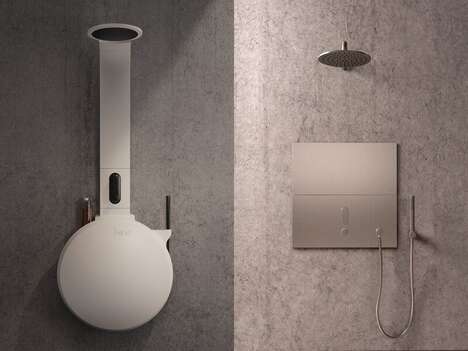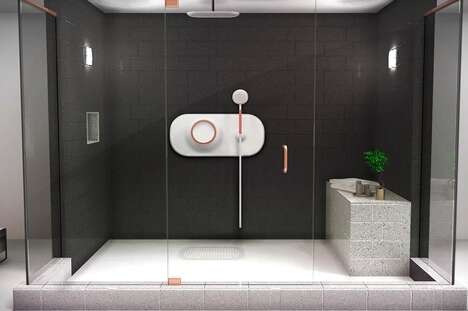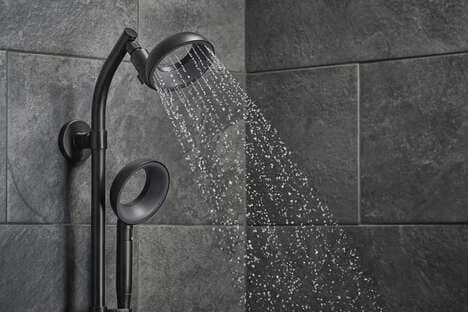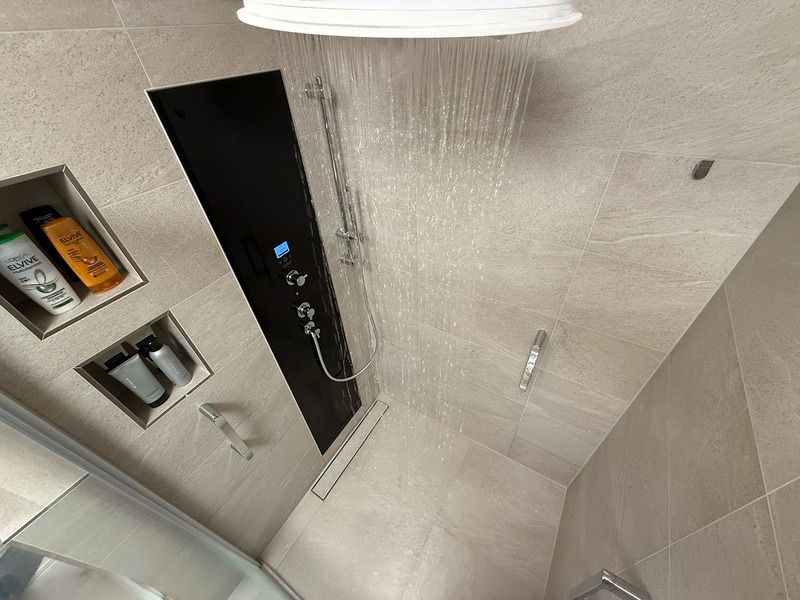
Hydraloop has unveiled its 'Upfall Shower,' a closed-loop bathing system that recycles water in real time, offering a luxurious rain shower experience while dramatically conserving resources. Delivering 35 liters per minute in pressure, the system filters and disinfects water continuously -- reducing fresh water use to just 2-3 liters per minute. This innovative shower saves up to 80% of water and energy compared to traditional fixtures.
Debuted at ISH 2025, the Upfall Shower targets eco-conscious hotels and resorts, particularly in drought-sensitive regions. With guest demand for sustainability and wellness growing, the system transforms the ordinary shower into a premium, responsible feature.
The Upfall Shower allows hotels to lower utility costs and meet ESG goals while enhancing guest comfort. It positions Hydraloop as a leader in hospitality water tech, offering both operational savings and sustainability storytelling opportunities.
Image Credit: Hydraloop
Why This Trend Is Growing
- Closed-loop Water Recycling
- The implementation of closed-loop systems in showers presents a breakthrough in resource conservation by dramatically reducing water and energy use.
- Eco-friendly Hospitality Solutions
- As sustainability becomes increasingly important, hotels are transforming everyday amenities into eco-friendly experiences that appeal to conscious consumers.
- Water-efficient Technologies
- Innovative water-efficient technologies are setting new standards for reducing utility costs and achieving sustainability goals in hospitality.
Industries Being Reshaped
- Hospitality Technology
- The hospitality industry is ripe for disruption with advancements in smart water-saving technologies that align with modern ESG objectives.
- Sustainable Construction
- Sustainable construction practices are being elevated through the integration of resource-efficient fixtures and systems in building designs.
- Water Filtration and Disinfection
- Advancements in water filtration and disinfection are crucial for developing systems that sustainably manage water resources in real-time.