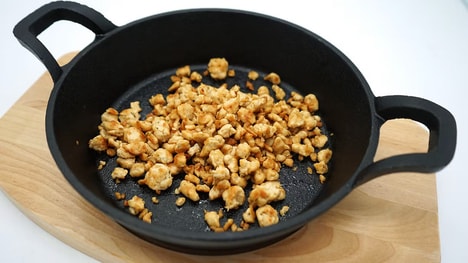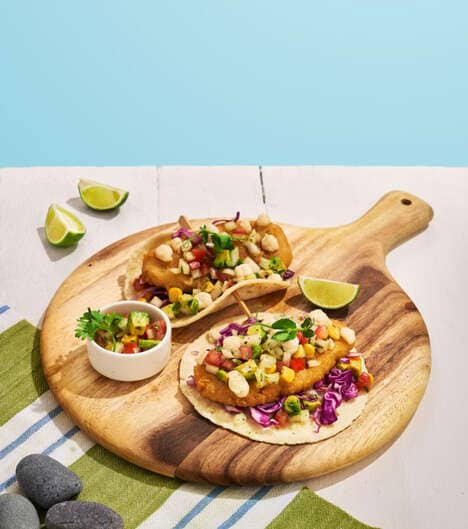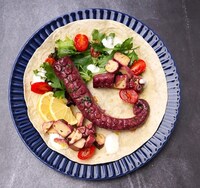
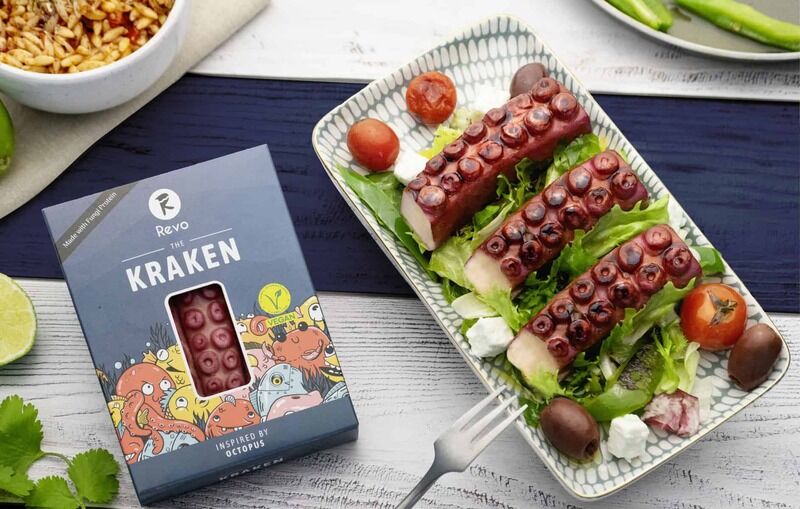
The Kraken by Revo Foods is a plant-based alternative to octopus made with fungi protein and what the Austrian startup calls a "unique new 3D structuring approach." This vegan-friendly octopus alternative is ready to eat but it can also be grilled, fried or baked and used to recreate a wide range of globally inspired dishes.
"Octopus tentacles, with their intense color and distinct suckers, are a very special product with an exciting look. So far, there has been no realistic alternative on the market," says Niccolo Galizzi, head of foodtech at Revo Foods. Beyond offering a look and texture that mimics traditional octopus, The Kraken is rich in omega-3 fatty acid and fiber.
Because The Kraken is made with mycoprotein, it requires significantly less processing than other raw ingredients commonly used in plant-based products.
Key Themes Behind This Trend
- Plant-based Protein Innovation
- Exploring fungi-derived protein for plant-based meat alternatives presents opportunities for sustainable solutions with improved nutritional profiles.
- 3D Printing in Food Technology
- Leveraging unique 3D structuring methods for plant-based creations sparks creativity in food product development and enhances consumer experience.
- Global Cuisine Adaptation
- Creating plant-based alternatives that can be used in diverse global dishes opens up markets for culinary innovation and cultural fusion in food products.
Where This Applies
- Foodtech
- Incorporating mycoprotein into plant-based food products revolutionizes traditional food processing methods and drives innovation within the food technology sector.
- Plant-based Food Manufacturing
- Developing sustainable plant-based alternatives with realistic textures and nutritional benefits disrupts the plant-based food manufacturing industry and meets growing consumer demand for healthier options.
- Culinary Arts
- Introducing plant-based ingredients that mimic traditional seafood textures encourages experimentation and creativity in global cuisine, pushing the boundaries of culinary arts towards more sustainable practices.