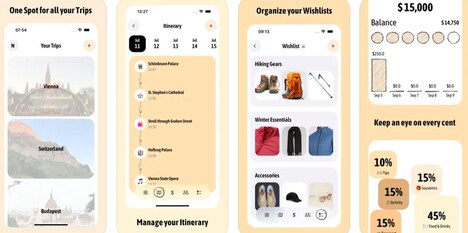

Roameo launched a swipe-to-match interface for group travel planning that combines discovery, coordination and itinerary building in one product. The startup designed the platform to let groups browse suggested activities and swipe to indicate preferences, featuring shared lists and structured voting to streamline decision-making.
The system integrates collaborative scheduling and a consolidated itinerary builder so organizers can see preferences, availability and chosen items in a single view. Roameo also supports organized discussion threads and exportable plans to simplify logistics across devices. For consumers, the tool reduces common planning friction by turning open-ended coordination into quick, democratic choices that scale for larger groups. The approach aligns with a broader trend toward social-first travel tools that prioritize collective input and faster consensus.
Image Credit: Rido / Shutterstock
Why This Trend Is Growing
- Swipe-based Group Decision-making
- A tactile, low-friction interface that converts group preferences into instant consensus could reshape how collective choices are captured and aggregated at scale.
- Integrated Collaborative Itinerary Building
- Combining scheduling, voting and shared itineraries into a single synchronized view enables more coherent planning workflows for multi-stakeholder events.
- Social-first Travel Discovery
- Platforms prioritizing communal input and democratic selection of activities are redefining content discovery toward socially validated recommendations.
Industries Being Reshaped
- Travel and Tourism
- Group-oriented booking and experience curation tools can disrupt traditional travel agencies by embedding collective decision mechanisms directly into trip design.
- Event Planning and Hospitality
- Systems that surface real-time guest preferences and produce exportable logistics may shift how venues and planners coordinate multi-guest events and services.
- Social Networking and Collaboration Software
- Collaborative UX patterns that blend casual swiping with structured voting have potential to upend team decision platforms by making consensus-building more engaging and efficient.