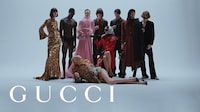
Giorgio Armani has unveiled its Spring 2026 campaign film, a visual narrative shot within the intimate confines of the designer's personal Milan residence.
The film features a cast of models — including Vittoria Ceretti and Clément Chabernaud — who navigate the various rooms and outdoor areas of the home. They interact with the personal artifacts, artworks, and sculptures that populate the space, effectively making the architecture and its contents active participants in the storytelling.
The Spring 2026 campaign film calls attention to a wide selection of silhouettes, ranging from fluid dresses and structured suits to relaxed knitwear and tailored shirts. The seasonal fashion capsule is characterized by a duality of enduring construction and graceful ease.
Image Credit: Giorgio Armani
Why This Trend Is Growing
- Designer-led Intimate Film Campaigns
- A shift toward director-style short films set in designers' personal spaces signals potential for new narrative-driven brand ecosystems that blend product, provenance and personality.
- Home as Narrative Set
- This approach positions residential architecture and personal artifacts as storytelling co-stars, opening avenues for immersive commerce that ties objects to provenance and experiential value.
- Duality of Craft and Ease
- The juxtaposition of structured tailoring with relaxed knitwear highlights opportunities for hybrid product lines and modular design systems that reconcile artisanal construction with everyday comfort.
Industries Being Reshaped
- Luxury Fashion
- High-end labels can leverage intimate cinematic content to reshape how heritage, scarcity and storytelling translate into digital-first client experiences and new monetization models.
- Film and Production
- Boutique production houses specializing in brand narratives may find demand for location-sensitive, low-footprint shoots that integrate object-level storytelling and rights-managed content libraries.
- Art Curation and Conservation
- Institutions and private curators could explore provenance-linked partnerships that turn artworks and collectibles into narrative assets for fashion storytelling and authenticated commerce.