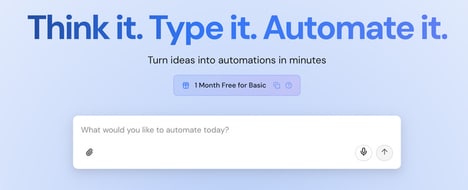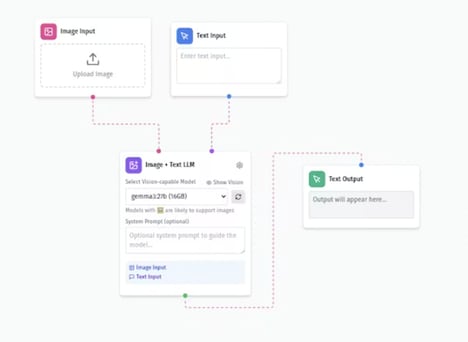

Echo is a no-code AI platform that enables users to build custom AI models by uploading and training on their own data. The system is structured around a simplified workflow where users provide input data, train a model, and deploy it for automated tasks. It is designed to make model creation accessible without requiring programming knowledge or machine learning expertise.
Typical use cases include workflow automation, data processing, and personalized AI applications tailored to specific business or individual needs. By allowing users to define their own datasets and outputs, Echo supports a flexible approach to AI customization. The platform reflects a broader movement toward democratizing machine learning tools, enabling non-technical users to leverage AI capabilities. Its primary function is to reduce the complexity of building and deploying AI systems while providing adaptable solutions for task automation and data-driven workflows.
Image Credit: Echo
Key Themes Behind This Trend
- No-code AI Platforms
- Platforms that remove programming from model building are expanding access to custom AI, enabling organizations to generate domain-specific intelligence with minimal technical barriers.
- Democratized Model Training
- Training on proprietary datasets by non-experts is producing a proliferation of tailored models that reflect unique organizational knowledge and data assets.
- Automated Workflow AI
- Embedding lightweight, custom-trained models into routine processes is shifting task orchestration toward continuously adaptable, data-driven automation.
Where This Applies
- Small-medium Businesses
- SMBs are increasingly able to adopt bespoke AI solutions for niche operational needs, reducing dependence on large vendors for automation and insights.
- Healthcare Providers
- Clinics and hospitals leveraging custom models trained on local patient data are moving toward more context-aware diagnostic and care-coordination workflows.
- Financial Services
- Banks and fintechs utilizing no-code models for transaction analysis and compliance monitoring are creating more responsive and specialized risk-detection systems.