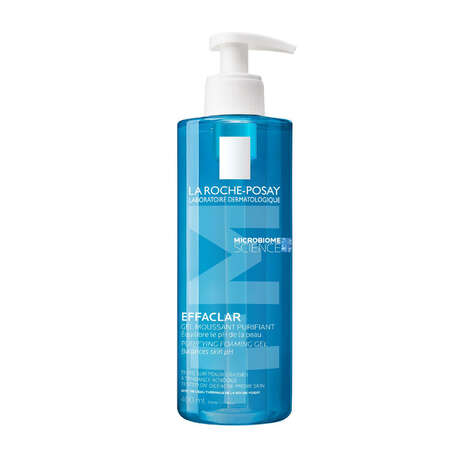
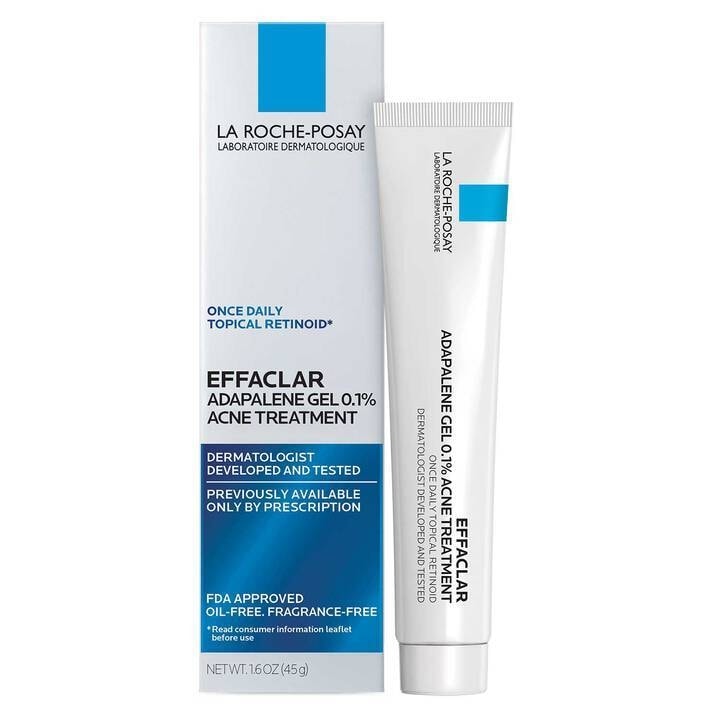
Effaclar Adapalene Gel 0.1% is a topical retinoid treatment formulated by La Roche-Posay for the management of acne. It contains adapalene, a synthetic retinoid that functions by normalizing skin cell turnover and preventing the accumulation of dead skin cells, which can contribute to the formation of blackheads, whiteheads, and clogged pores. The product is positioned as a prescription-strength option that is available over the counter and is designed specifically for those with oily or acne-prone skin.
The recommended usage for Effaclar Adapalene Gel 0.1% is once daily, with a pea-sized amount applied to clean skin. Users are advised to follow the application with a moisturizer and broad-spectrum sunscreen, considering that retinoids may increase the skin’s sensitivity to sunlight. The formulation is non-greasy, fragrance-free, and non-comedogenic, features that have been emphasized during its dermatological testing and development to ensure suitability for sensitive skin types. Detailed product information, including ingredient specifics and clinical usage guidelines, is provided by the manufacturer.
Image Credit: La Roche-Posay
Key Themes Behind This Trend
- OTC Dermatology Solutions
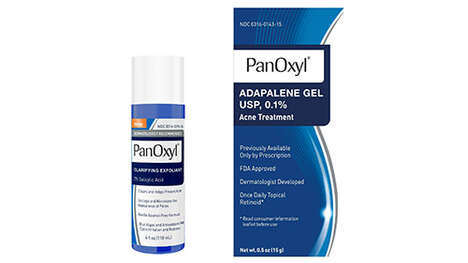
- The accessibility of prescription-strength acne treatments in over-the-counter options like adapalene gels disrupts traditional dermatological care models by democratizing effective skincare solutions.
- Sensitive Skin Adaptations
- The formulation of acne treatments like Effaclar Adapalene Gel 0.1%, which cater to sensitive skin with non-comedogenic ingredients, highlights innovations in dermatological product development that focus on inclusivity.
- Sun Protection Pairing
- Pairing retinoid-based acne treatments with mandatory sunscreen use emphasizes a growing trend in skincare towards comprehensive regimens that address ancillary skin health needs.
Where This Applies
- Skincare and Cosmetics
- The emergence of high-efficacy over-the-counter products in the skincare industry points to an increasing consumer demand for professional-grade results at home.
- Pharmaceuticals
- The inclusion of adapalene, a retinoid previously restricted to prescription use, in OTC products hints at a shift in pharmaceutical distribution and regulatory practices within acne treatment.
- Consumer Health Products
- Consumer health brands are progressively blending medical-grade active ingredients in topical applications, reflecting an evolution towards hybrid health-beauty solutions.