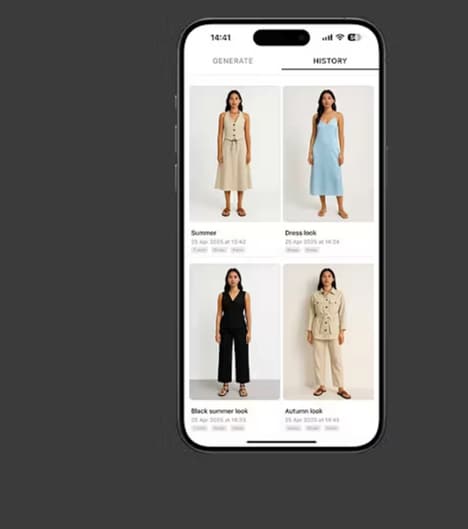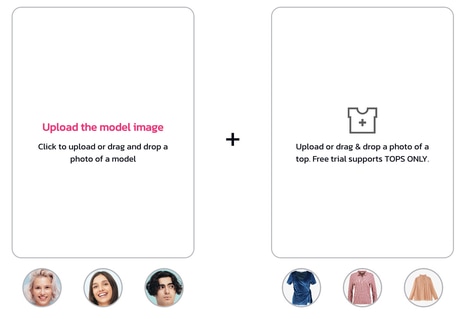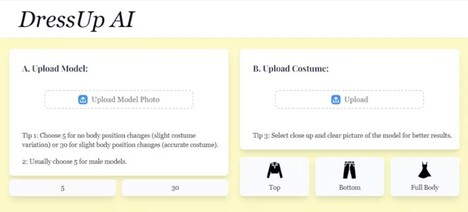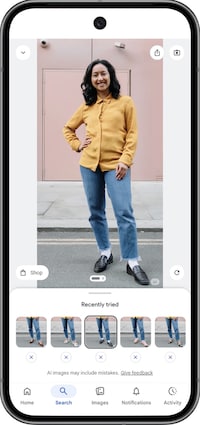
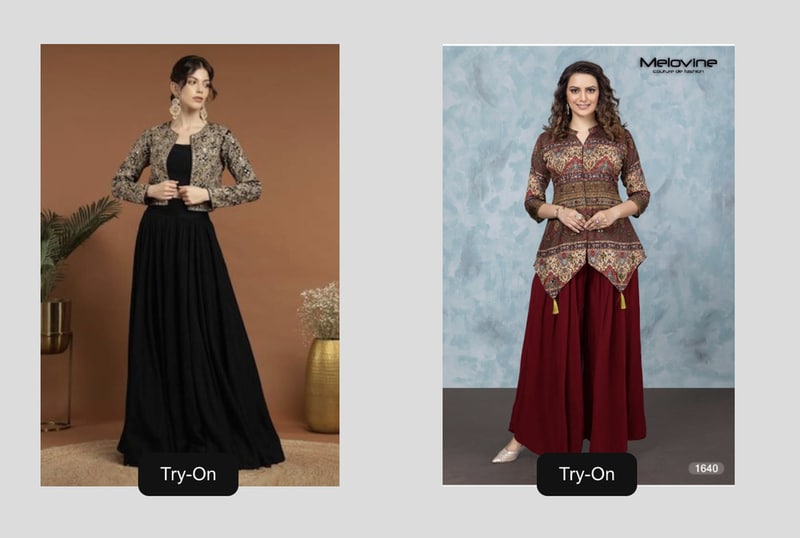
Clothing Virtual Try-On is an AI-powered retail technology designed to simulate how garments appear on a user in both online and in-store environments. It generates real-time, visually realistic representations of clothing on a virtual model or the shopper themselves, with an emphasis on maintaining accurate sizing and fit perception.
The system is intended to support purchasing decisions by providing a more interactive and visual evaluation of products before purchase. It is typically integrated into e-commerce platforms and physical retail systems to enhance customer engagement and reduce uncertainty in fit and style selection. Businesses use it to potentially reduce return rates and improve conversion rates by offering a more immersive shopping experience. This technology reflects broader trends in retail innovation, where augmented reality and AI are used to bridge the gap between digital browsing and physical product experience.
Image Credit: Clothing Virtual Try On
Why This Trend Is Growing
- AI-driven Fit Personalization
- A move toward individualized sizing models that combine user measurements and purchase history to create hyper-accurate fit recommendations, enabling significant reductions in size-related returns.
- Augmented Reality Dressing Rooms
- Widespread deployment of AR overlays that present lifelike outfit visualizations in real time, altering customer expectations for online product evaluation.
- Real-time Fabric Simulation
- Advances in physics-based rendering that reproduce drape, texture and stretch on virtual avatars, creating near-physical previews that challenge traditional product photography.
Industries Being Reshaped
- E-commerce Platforms
- Integration of virtual try-on features that can shift conversion dynamics by shortening decision cycles and increasing shopper confidence.
- Brick-and-mortar Retailers
- In-store adoption of mixed-reality mirrors and kiosks that reframe the shopping environment toward experiential engagement rather than solely physical inventory display.
- Apparel Manufacturing
- Use of digital garment models and fit data to inform pattern-making and inventory planning, potentially reducing overproduction and enabling on-demand fabrication.