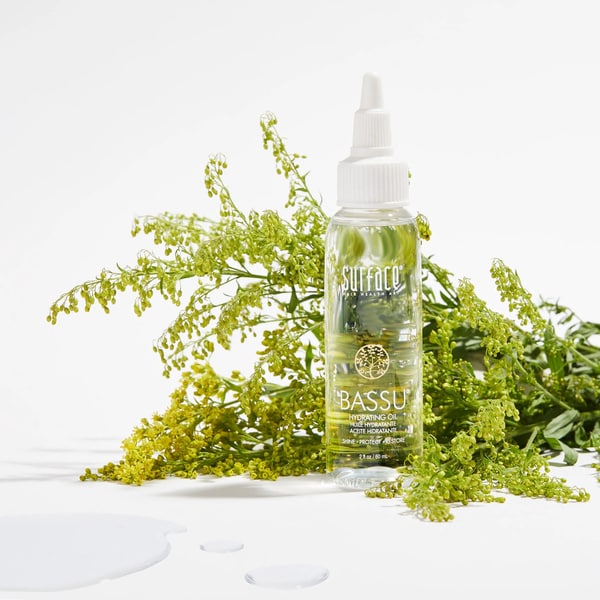

Clean Food Group is giving consumers cleaner, more sustainable personal care options with the launch of its new CleanOil products.
Based in the U.K., Clean Food Group's mission is to leverage food waste, yeast, and fermentation to offer more sustainable fat and oil-based products. The brand's latest launch is CleanOil, which is a lineup of sustainable beauty products. To make these products, the brand feeds non-GMO yeast strains on circular feedstocks, like leftover bread, creating a more low-impact alternative to petroleum-based mineral oils and tropical fats like palm oil. As Alex Neves, CEO of Clean Food Group, explains, "We have always believed biotechnology has the potential to fundamentally reshape how ingredients are made, and with CleanOil, we are showing that sustainable alternatives can meet, if not exceed, the performance expectations of the beauty industry.”
Image Credit: Clean Food Group
What Makes This Trend Stand Out
- Food-waste-to-oil
- Conversion of leftover bread and other food waste into cosmetic-grade oils creates avenues for low-carbon ingredient supply chains that challenge petroleum- and palm-derived fats.
- Fermentation-based Cosmetics
- Emergence of yeast- and fermentation-derived actives signals a shift toward biomanufacturing processes that can deliver high-performance ingredients with reduced land-use impacts.
- Non-gmo Yeast Ingredientization
- Use of non-GMO yeast strains as production platforms presents a path to scalable, label-friendly ingredients that could redefine sourcing standards for clean beauty brands.
Sectors Adopting This
- Beauty and Personal Care
- Beauty brands integrating biofabricated oils can position products as demonstrably sustainable alternatives, reshaping consumer expectations around ingredient transparency and performance.
- Food Waste Management
- Organizations handling post-consumer and production food waste may gain value by supplying circular feedstocks to fermentation firms, creating new revenue streams beyond disposal or composting.
- Sustainable Ingredients Manufacturing
- Manufacturers specializing in biotech-derived lipids and fats could disrupt established commodity markets by offering lower-impact, traceable substitutes to palm and mineral oils.