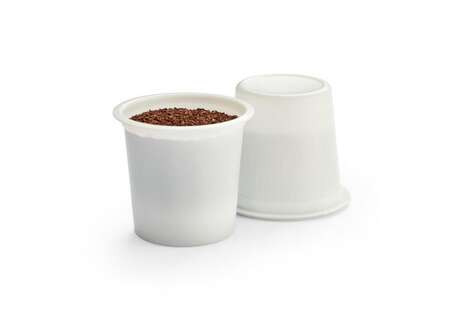

Engineers have developed a 3D printable paste that combines used coffee grounds, brown rice flour, Reishi mushroom spores, xanthan gum, and water to produce a fully compostable packaging material. This paste, referred to as “Mycofluid,” is extruded using a custom-designed 3D printer head compatible with the Jubilee 3D printer. After printing, the objects are incubated for approximately ten days, during which the Reishi mushroom spores germinate and form a mycelial skin over the printed structures. This natural skin bonds the printed components, enhancing structural integrity and water resistance while transforming the printed object into a cohesive, compostable alternative to conventional packaging materials.
The engineered material exhibits properties that are comparable to traditional foam packaging such as Styrofoam, yet it offers the environmental advantage of complete compostability. The density of the finished material is similar to that of cardboard, and water-resistance tests indicated minimal weight gain after exposure to moisture. Although the process demonstrates promise for rapid prototyping and the customization of eco-friendly packaging, challenges remain with regard to scalability, particularly due to the variability in used coffee grounds. Ongoing research is exploring the potential adaptation of other recycled, bio-derived materials to further enhance production efficiency and sustainability in packaging solutions.
Image Credit: Shutterstock
Key Themes Behind This Trend
- Sustainable Packaging Innovation
- Emerging 3D-printable, compostable materials like Mycofluid present transformative opportunities to replace environmentally harmful packaging substances.
- Biodegradable Material Applications
- The integration of bio-derived composites in manufacturing offers a sustainable alternative to traditional materials, fostering advancements in eco-conscious design.
- Circular Economy Manufacturing
- The development of materials utilizing recycled components exemplifies a shift toward more sustainable production cycles in various industries.
Where This Applies
- 3D Printing Technology
- Innovative applications of 3D printing in creating environmentally friendly materials are reshaping possibilities within the manufacturing sector.
- Eco-friendly Packaging
- The rise of fully compostable packaging solutions is driving change in the packaging industry, aligning with increasing consumer demand for sustainable practices.
- Recycled Material Production
- Utilizing waste materials like used coffee grounds in product manufacturing is redefining sustainability benchmarks across several industries.