



The Self Healing Concrete Project Involves Limestone and Bacteria
Meghan Young — November 5, 2012 — Eco
References: citg.tudelft.nl & dvice
The Self Healing Concrete project is not the first attempt at creating a cement mixture that stands the test of time. In 2009, researchers at the University of Michigan developed a flexible concrete while a year later Michelle Pelletier conceived of a concrete that would produce a sort of goo when a crack surfaced.
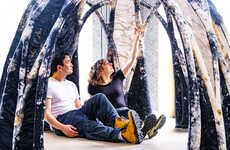
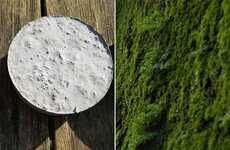
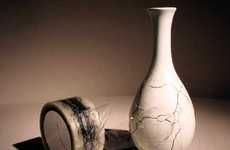
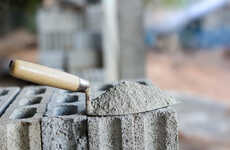
This time around, scientists from the TU Delft-wide Self-healing Materials research programme at the Delft Center for Materials (DCMat) have put together the Self Healing Concrete project, which involves the use of bacteria. When tension creates a crack in the cement surface and the bacteria is activated by water, a limestone substance is produced to fill it in.
The Self Healing Concrete project is currently undergoing extensive testing and can be commercialized in as little as two years.
This time around, scientists from the TU Delft-wide Self-healing Materials research programme at the Delft Center for Materials (DCMat) have put together the Self Healing Concrete project, which involves the use of bacteria. When tension creates a crack in the cement surface and the bacteria is activated by water, a limestone substance is produced to fill it in.
The Self Healing Concrete project is currently undergoing extensive testing and can be commercialized in as little as two years.
Trend Themes
1. Self-healing Concrete - The development of self-healing concrete using bacteria creates opportunities for more durable and low-maintenance infrastructure.
2. Bacterial Cement - The use of bacteria in cement production offers a sustainable alternative to traditional cement manufacturing processes.
3. Flexible Concrete - Advancements in flexible concrete technology pave the way for more resilient and crack-resistant infrastructure.
Industry Implications
1. Construction - The construction industry can benefit from self-healing concrete by reducing maintenance costs and improving the longevity of structures.
2. Biotechnology - The use of bacteria in cement production opens up opportunities for innovation in the biotechnology industry.
3. Materials Science - Advancements in flexible concrete and self-healing materials present disruptive innovation opportunities for the materials science industry.
2.8
Score
Popularity
Activity
Freshness