
One World Center Will Be Impervious to Attacks
Doug Gordon — February 26, 2009 — Art & Design
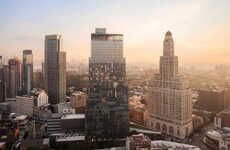
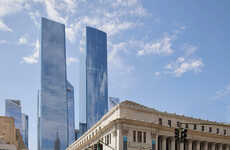
It has been over seven years since the World Trade Center was destroyed and the building set to replace it is still not finished. The reason is the complexity of its design. One World Center is being designed as the world's first blast-proof tower.
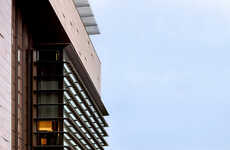
The design, by architect David Childs of Skidmore, Owings & Merrill, has taken several redesigns on its way to the final plans. It is a building that must not only serve as a financial hub for New York City, but as a spiritual one as well. The design is as safe as a building can be, but still manages to be beautiful and inspirational as well.
The design, by architect David Childs of Skidmore, Owings & Merrill, has taken several redesigns on its way to the final plans. It is a building that must not only serve as a financial hub for New York City, but as a spiritual one as well. The design is as safe as a building can be, but still manages to be beautiful and inspirational as well.
Trend Themes
1. Blast-proof Architecture - The trend of building impervious structures to potential attacks is rising in response to security concerns.
2. Complex Design - The trend of architects creating complex designs that prioritize safety measures will continue as people seek to feel safe in public spaces.
3. Mixed-use Buildings - The trend of creating buildings for multiple purposes, such as the One World Center, will become more popular as people seek all-in-one spaces.
Industry Implications
1. Architecture - The architecture industry has an opportunity to create innovative designs that prioritize safety without sacrificing beauty or functionality.
2. Construction - The construction industry has an opportunity to utilize new materials and methods to make buildings more secure and safer for occupants.
3. Security - The security industry has an opportunity to develop new technologies and solutions to keep public spaces safe and secure.
2.8
Score
Popularity
Activity
Freshness