


The Maquet Cardiohelp
Michael Plishka — November 6, 2008 — Art & Design
References: maquet & european-hospital
Heart-Lung machines had less in common with the elegant functionality of normal hearts and lungs and more in common with machines. They were clunky, largely immovable, and difficult to operate.
MAQUET of Germany has changed all that with the development of Cardiohelp, the world’s smallest heart-lung machine. About the size of a suitcase and just as portable, Cardiohelp is a blend of design and functionality that will bring life-saving therapies to medicine that’s increasingly “on-the-go.”
According to Christian Keller, Chairman of Maquet Cardiopulmonary AG, "(The) vision was to transfer our know-how from heart surgery, and therefore the principles of extracorporeal oxygenation and mechanical cardiac support, into other areas. In combination with first-class mechanical respirator systems, Maquet is the only manufacturer worldwide offering a complete therapy concept for patients with the most severe types of lung disease."
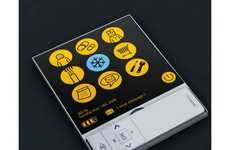
In addition, Cardiohelp can be operated with a single turn-press button and a touchscreen. It is equipped with USB and Ethernet ports to enable data transfer and can operate via rechargeable batteries or external power.
The device will be available in select markets of Europe in 2009, but not in the United States, as the US Food and Drug Administration has yet to clear the device for use.
MAQUET of Germany has changed all that with the development of Cardiohelp, the world’s smallest heart-lung machine. About the size of a suitcase and just as portable, Cardiohelp is a blend of design and functionality that will bring life-saving therapies to medicine that’s increasingly “on-the-go.”
According to Christian Keller, Chairman of Maquet Cardiopulmonary AG, "(The) vision was to transfer our know-how from heart surgery, and therefore the principles of extracorporeal oxygenation and mechanical cardiac support, into other areas. In combination with first-class mechanical respirator systems, Maquet is the only manufacturer worldwide offering a complete therapy concept for patients with the most severe types of lung disease."
In addition, Cardiohelp can be operated with a single turn-press button and a touchscreen. It is equipped with USB and Ethernet ports to enable data transfer and can operate via rechargeable batteries or external power.
The device will be available in select markets of Europe in 2009, but not in the United States, as the US Food and Drug Administration has yet to clear the device for use.
Trend Themes
1. Touchscreen Heart-lung Machines - Touchscreen interface combined with compact design provides an opportunity to increase portability and ease-of-use for heart-lung machines.
2. Miniaturized Life-saving Devices - The development of Cardiohelp represents the opportunity for manufacturers to bring life-saving technologies to medical practices that need increased mobility and reduced device size.
3. Complete Therapy Concepts for Lung Disease - Maquet's complete therapeutic concept for patients with severe lung disease represents an opportunity for manufacturers to offer comprehensive care solutions for respiratory patients.
Industry Implications
1. Medical Devices - The development of Cardiohelp and other portable medical devices represents an opportunity for medical device manufacturers to meet the needs of an increasingly mobile healthcare industry.
2. Hospital Equipment & Supplies - The Cardiohelp and similar devices represent an opportunity for medical equipment manufacturers to provide hospitals with more efficient and easy-to-use equipment for respiratory support.
3. Pharmaceuticals - The development of portable heart-lung machines like the Cardiohelp represent an opportunity for pharmaceutical companies to target hospitals and intensive care units with complete treatment packages for respiratory patients.
5.3
Score
Popularity
Activity
Freshness